Global sourcing involves more than just finding the lowest cost or the fastest suppliers. Buyers today are faced with a range of challenging issues, including supply chain disruptions and quality issues. They also have to be able to adapt to rapidly changing market conditions. In such a context, a B2B online marketplace that’s secure is not just a convenient option, and more of a necessity to ensure that businesses can be conducted with confidence across boundaries.
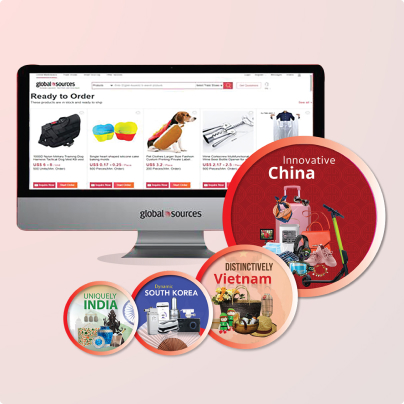
Modern B2B platforms are built to address real-world issues. It doesn’t provide buyers with a plethora of listings rather, it connects genuine buyers to reliable, long-term cooperating suppliers. The shift from quantity towards quality has fundamentally changed the way that global trade relations are built and maintained.
Beyond simple supplier listings
The old sourcing methods were built on cold approaches using a limited amount of information and speculation. Buyers were required to invest some time evaluating, validating, and assessing suppliers. A well-organized B2B marketplace can eliminate a lot of the hassle by providing verified supplier profiles, clear product information, and access to performance indicators from the past.
Context is what provides the real value. Expertly-crafted insights, market intelligence and analyses of trends in the industry help buyers determine when and why they should seek out. This information helps companies anticipate price changes, demand fluctuations and potential business opportunities.
The Strength of an Online-to-Offline Sourcing Model
Although digital tools are now the primary sourcing methods used our time, human interaction is still a crucial element to creating trust. This is why the Online-to-Offline (O2O) model is proving its strengths. Online research lets buyers locate suppliers, narrow their options, and strengthen relationships offline through trade shows and other match-up business events.
It is common to speed up decision-making through seeing the product in person, discussing modifications with suppliers face-to-face, and developing relationships. These offline experiences can be enhanced by digital platforms, mobile apps and centralised communication. Sources become more efficient and less fragmented.
Helping buyers through the entire sourcing journey
A solid B2B sourcing platform does not disappear after a buyer discovers an organization. Instead, it keeps adding value with tailored recommendations along with exclusive buyer programs and other community-driven initiatives. These features enable buyers to explore new categories, find innovative products, or gain access for opportunities that would otherwise be unobtainable.
The buyer communities and incentive programs are also a great way to build an atmosphere of continuousity. They encourage a repeatable engagement, knowledge sharing and long-term cooperation, instead of one-off transactions. In time, the ecosystem approach helps build trust and improves outcomes for everyone involved.
Adapting global markets to changes
Global trade is shaped by constant economic shifts, regulatory updates, and evolving consumer expectations. A customer-centric B2B online marketplace adapts alongside these changes by expanding digital capabilities, refining matching algorithms, and enhancing data-driven insights.
Sustainability is another growing priority. Suppliers who practice ethical and ethical corporate practices are being desired by buyers. Modern sourcing platforms provide transparent and sustainable options to enable businesses to fulfill their social and commercial responsibilities.
Building Trusted Relationships to Create Long-Term Value
Trust is the foundation of the success of a B2B-sourcing platform. Trust in the authenticity of the suppliers, in the quality of the information provided, and in the platform’s dedication to the long-term benefit. When these elements combine the sourcing process transforms from a time-consuming, risky process to a strategic advantage.
In the age of speed, reliability and information the B2B trustworthy online marketplace provides businesses more than just an access point; it offers them confidence. A sense of confidence is necessary to make informed business choices, create lasting partnerships, grow sustainably, and thrive in a world economy that is increasingly interconnected.