In the fast-growing manufacturing industry, robotics are crucial to efficiency and innovation. The integration of industrial robots into manufacturing processes has revolutionized the industry, offering numerous benefits for businesses looking to improve productivity, quality, as well as competitiveness. As the demand for automation solutions continues to grow manufacturing robots play an increasing role in determining the future of manufacturing.
Manufacturing robots, sometimes referred to as industrial robots, are specialized machines designed to perform different jobs within the production environment. This can involve welding, painting, assembly, placing and picking, packaging and much other things. Industrial robotics is a discipline that studies and implements these robots to maximize effectiveness and precision in manufacturing processes.
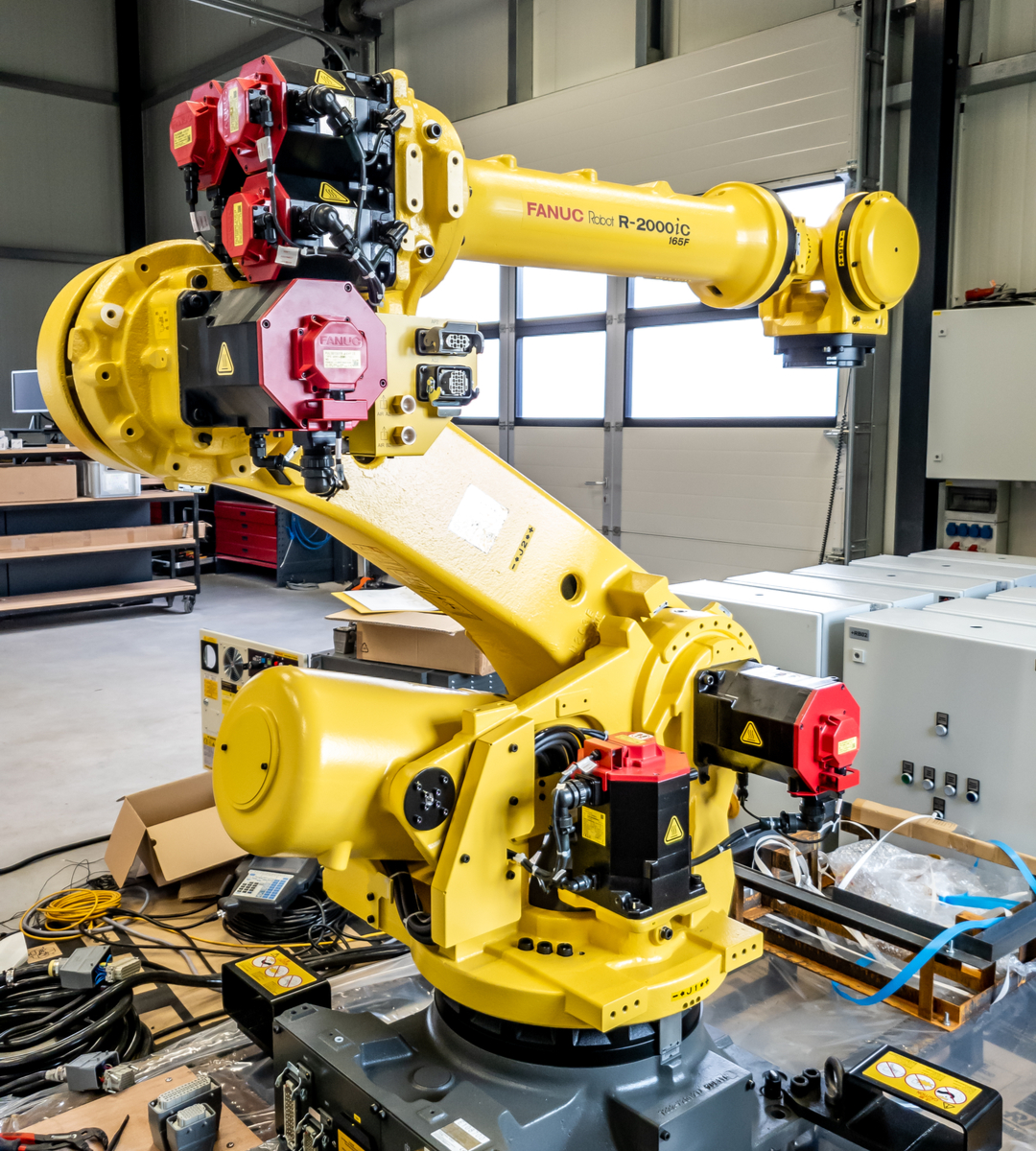
One company at the forefront of this new era is Automated Solutions Australia (ASA) is a specialist in the development of industrial robot systems to provide flexible automation solutions for manufacturing customers. ASA robotics for manufacturing in industrial settings strive to give clients an edge over competitors by enhancing their efficiency and quality. ASA industrial robotic solutions are highly sought-after by firms in a range of industries, including pharmaceuticals, electronics, and automotive.
The benefits of implementing industrial robots in manufacturing are multifaceted. Improved efficiency and productivity is one of the primary benefits. Industrial robots are capable of performing repetitive tasks with accuracy and consistency, leading to more efficient output rates and shorter time to complete. It not only increases productivity, but it also helps businesses meet the growing demands of consumers.
Additionally, industrial robots aid in quality control throughout manufacturing processes. These machines reduce the risk of errors by executing tasks with precision and reliability that results in superior quality products. This is a result of the satisfaction of customers and builds the company’s reputation as a supplier of superior quality goods.
Industrial robots aren’t only efficient and of high-quality, but they also help you save money. While the initial expense to make robots is expensive and long-term savings are huge. Businesses can reduce operational costs by streamlining processes, and reduce manual labor. Industrial robots are available 24/7 making the most of resources and reduce production costs.
Another benefit of industrial robots can be their impact on workplace settings. These robots are designed to reduce noise that create a peaceful and more comfortable workplace for workers. Their speed and precision also contribute to a safe workplace by reducing the risk of injuries and accidents which are caused by manual tasks.
The integration of industrial robots can play a significant role in creating jobs as well as the future work. Industrial robots are able to create new employment opportunities, despite concerns that automation will take over human workers. This includes roles in the field of robotic programming maintenance, oversight, and control, as well as the development of cutting-edge technology for supporting robot manufacturing.
In the process of allowing the manufacturing industry to embrace the potential of industrial robots. Businesses across a variety of sectors are gaining the benefits of this revolutionary technology. Because of its capability to improve efficiency, quality, and cost-effectiveness industrial robotics is changing how products are produced and establishing new standards of high-quality products in the market.
Conclusion: The emergence of industrial robotics and production robots is a paradigm change in the manufacturing industry. The advanced technology is enabling businesses to reach unprecedented levels of efficiency, precision, and competitiveness. With the need for automation solutions continues to increase Industrial robots are poised to play a crucial part in shaping the future of manufacturing, spurring innovations and propelling companies towards success in the global marketplace.