Create a box around a lift station in a civil plan and it’s simple to think of it as a fully-functional piece of equipment.
The water comes in from somewhere, runs through the station, then flows to a new location. It also relies on the structure such as power, control, and site access.
One question that can be beneficial to project teams who are trying for the most effective lift station design is whether they look at the interfaces or just what happens within the station.
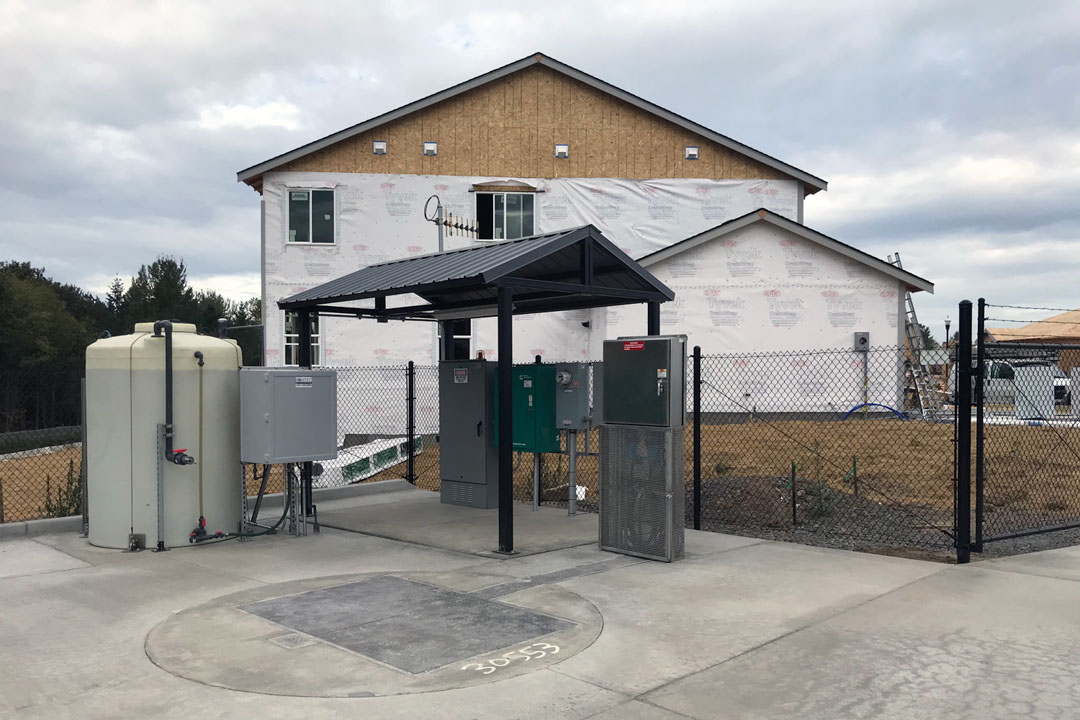
Image credit: romtecutilities.com
Start upstream from the Wet Well
Consider a residential development. The wastewater flows through the system of collection to the lift station. The capacity of the lift station is determined by incoming water flow and the elevation of site.
When wastewater is able to reach wet wells Another set of engineering decisions begin. The piping and pumps, the valves and controls, structural elements, and maybe additional components must be appropriate for the application.
Romtec Utilities designs wastewater systems designed for commercial, municipal and industrial sites, as well in development applications.
This project-specific approach is crucial because altering what happens downstream can alter what the pumping facility has to do.
Keep an eye on the water that is beyond the pumps
The engineering challenge doesn’t stop even after the liquid exits the wetwell. The pumping system needs to move the liquid in accordance with the hydraulic conditions in the downstream system. The flow requirements and head conditions therefore influence pump selection and station design.
That connection is particularly important when evaluating the best wastewater designers. It is not enough for a pump’s impressive specs on its own. It also has to perform well within the hydraulic system.
Romtec Utilities has the ability to design the structural components as well as mechanical and electrical components, and communication systems of pumping stations as a complete package. This enables the system to be coordinated with the specifications set for the specific project.
Stormwater is a system of its own
Stormwater is a unique infrastructure puzzle. Runoff from paved surfaces can enter an infrastructure for collection and later pass through detention, drainage, or flood control. When pumping is required the station becomes a single link to the overall stormwater management strategy.
When companies are searching for the best stormwater system designers, they should consider evaluating the conditions of the site, flow rate head requirements, and environmental aspects together.
Romtec Utilities supplies customized stormwater pumping systems for residential, commercial industrial, and municipal projects, rather than relying on one system for every project.
Coordination Extends Above Ground Too
Some interfaces don’t require the use of piping. Electrical power must be connected to the equipment. Control and communication systems must meet the requirements of the project. Contractors need plans and documents. Installation, startup and service could require physical access.
The documentation for the system is particularly valuable because these connections may involve multiple disciplines and participants. Romtec Utilities can provide complete project plans and documentation, as well as support for its systems throughout beginning, testing and commissioning.
Check Outside the Station Boundary
If the external connections of a lift aren’t thought of, a well-engineered lift station might remain a component of an uncoordinated project.
A better design perspective will follow the water. Where does it originate? What conditions should it fulfill for it to be able to travel to the station? What can it do once there? What happens afterward? What infrastructure supports the entire process?
The answers to these questions change the design of lift stations from an easy equipment exercise to a complicated infrastructure plan.