Imagine the apps you’ve got on your phone. Think about those apps you use every day without noticing how the triggers of habit. Your thumb just knows where to click. In the background of this effortless and natural interaction lies a lot of deliberate human psychology and technically sophisticated engineering. Modern users have an absolute policy against digital friction; if the mobile’s screen is sluggish for less than an instant, takes too long to load information, or is unable to deliver notifications, they are deleted within minutes. For founders with funding and enterprises with teams that are focused on growth and growth, the stakes are more high. It’s more than just an appealing website or smooth surface to launch a digital product. It requires a strategic partnership with a top mobile app development company that designs for human retention right from the first week of production.
How to navigate the constantly changing rules of ecosystems
The development of mobile apps is a challenging area when compared to traditional web engineering because you are essentially building on moving sand. Apple introduces an operating system update every autumn. It includes stricter privacy policies, retires legacy code structures and changes the way that apps store reviews are conducted. Google is able to set its own timeline. It continuously alters how notifications function and also how background processes impact phone battery. If your team isn’t keeping an eye on these constantly changing guidelines, it could result in your app breaking rapidly, resulting in poor reviews and broken functionality. This is precisely why businesses must intentionally hire mobile app developer teams who view their work as an ongoing lifecycle rather than a one-time coding sprint. It is the job of release engineering to make sure that the automated shipping systems stay operational and secure during every update to the operating system.
The Crossroads of Native Experiences
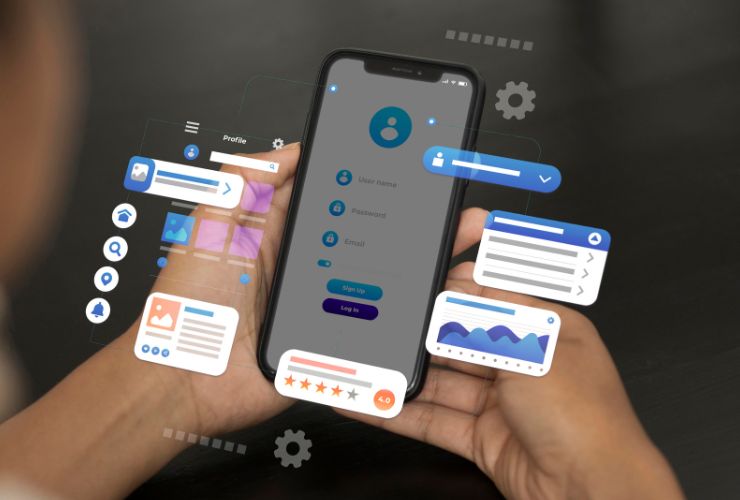
When determining a mobile plan, it’s inevitable that developers will arrive at an intersection of their structural design. They have to figure out how their code interacts with the physical hardware. Select dedicated iOS app development services to gain direct access to Apple’s native frameworks. This allows for smooth animations and deep integration with advanced options like HealthKit or Biometric Security. On the other hand of the landscape investing in specific Android app development tools ensures your app can take on the awe-inspiring variety of screens and processing capabilities that are available across the world market. Native architecture is the high-end option for businesses that rely heavily on device access, like using low-latency Bluetooth accessories monitoring precise real-time locations, or offering frictionless checkout processes using native billing systems.
Cross-Platform Engineering: Speeding up production times
For many fast-growing organizations, funding constraints and competitive pressures mean that the launch of two separate operating systems simultaneously can place an immense strain on resources. This dilemma can be resolved by implementing a top cross-platform app development approach. It offers a cohesive team of developers to build, test, maintain and maintain a codebase that is flawless on both platforms. This hybrid approach reduces the traditional time to launch by several months and allows companies to collect feedback from users at just a tiny fraction of the cost. By choosing a specialized Flutter application development firm, brands can build highly stylized, perfect-pixel interfaces that ensure absolute aesthetic consistency across all devices. If they are backed by a solid base of automated testing, and strong background data syncing this approach to cross-platform development provides the ultimate balance of rapid market entry and high-performance implementation.
Engaging users in a sustainable manner
The ultimate measure of a successful mobile launch is measured by sustainable, long-term users’ habits, not just short-term download spikes. The most efficient mobile architecture incorporates important behavioral triggers in the tech stack, making sure that onboarding flows are able to deliver value within the first sixty seconds and that local data is cached seamlessly during unexpected cellular drops and that notifications systems adhere to the user’s primary focus. It doesn’t matter if you are a team member who wants to build a minimum viable product that can be shipped quickly in order to demonstrate market value or if you are building an enterprise system with strict requirements for data compliance and the primary focus is on the core is the same. By adhering to a well-defined high-quality, predictable engineering pattern using Digital Heroes that respects your users’ needs and the performance of their devices You can create an asset that is durable and fosters deep loyalty, drives constant business growth, and will be on people’s screens for the foreseeable future.